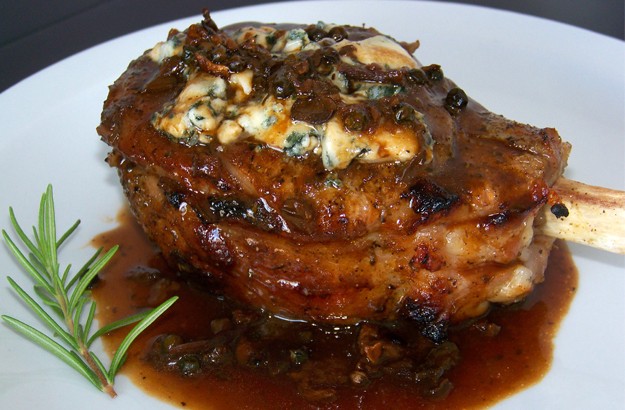
For a relatively long time veal was no longer politically correct to eat anymore, but with newly revamped recipes and more humane practices, it is now commanding a spot back on the menu. In the past, veal was an expensive treat to order and thus to supply it cheaply there were many horrible techniques used by most famers. And with an incredible rise in demand, producers began cutting corners and the result was an easily accessible but flavorless product. Not surprisingly, it became socially unacceptable to eat anymore. However, Chris Galvin of London’s Michelin-starred Windows, refused to take veal off his menu because he found farmers in the Lake District who all worked together to keep humane practices when raising veal, namely using the whole animal and taking every possible ‘cut’. By using family-produced veal, Galvin felt comfortable continuing to proudly serve his patrons veal. The specific calves he serves have been reared in the best possible conditions that a farmer can provide. Worth the high price tag, Galvin rewards his customers with the highest quality of veal which he wonderfully compliments with herbs, butter, cream and mushrooms. Luckily, supermarkets are catching on to the trend and are slowly re-inviting veal back onto their shelves. Some supermarkets, namely Marks & Spencer, have been quoted saying that they can’t get enough of the fillet to satisfy the demand. This might come as a surprise because a kilo of veal fillet costs around £35.99. Despite the high price-tag, veal sales have gone up by 300% this year alone and is not showing any signs of slowing down. This can be attributed to the fact that now mostly everyone is aware that veal are no longer shot at three days old and instead are given a wonderful life for five or sixth months. So, everyone welcome veal back into your lives without guilt and thank farmers and chefs for thriving on ethical practices with the meat. New Delhi was quick to catch on this trend, although it is served mostly five star restaurants, it first premiered at Bukhara in the Sheration Maurya and only took a few months to spread all over the city.